The role of luck in gambling: Can skill truly make a difference?
Understanding Gambling: Luck vs. Skill
Gambling has fascinated people for centuries, blending elements of excitement and risk. At its core, gambling involves placing bets based on uncertain outcomes, ostensibly influenced by two main factors: luck and skill. While luck, the unpredictable element, plays a significant role, the question remains whether skill can truly make a difference. To explore this intricately woven tapestry, it’s essential to dissect the nature of both components and their interplay in various gambling formats.
Many casual players often credit their wins to luck, explaining it as the capricious nature of chance. However, skilled players in games like poker or blackjack argue that a deep understanding of strategies and probabilities can sway outcomes in their favor. To grasp this concept, it becomes vital to analyze different gambling types and assess where luck ends and skill begins. For those interested in exploring deeper insights into gambling strategies, try here.
The Element of Luck in Gambling
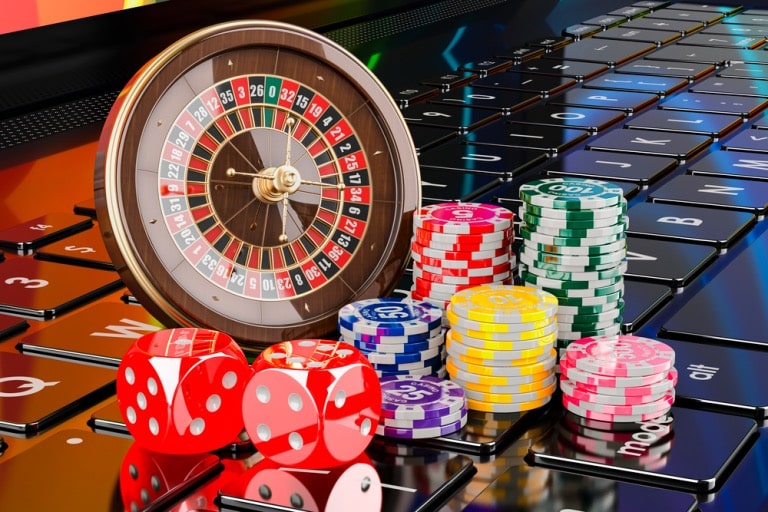
Luck is often romanticized in the world of gambling, serving as the unpredictable force behind wins and losses. It is an inherent component that can make or break a player’s experience at the gaming table. In activities like slot machines or roulette, luck reigns supreme, where outcomes do not rely on player’s decisions. It’s this element of chance that makes these games enticing; one’s fortunes can flip in an instant.
The Role of Skill in Gambling
In contrast to games largely governed by luck, certain gambling endeavors heavily depend on skill. Take poker, for instance: success is not merely about the cards you are dealt but how you leverage them against opponents. Proficient players employ various strategies, utilizing knowledge about probabilities and psychological tactics to gain an edge. This is where the art of skill transforms potential outcomes.